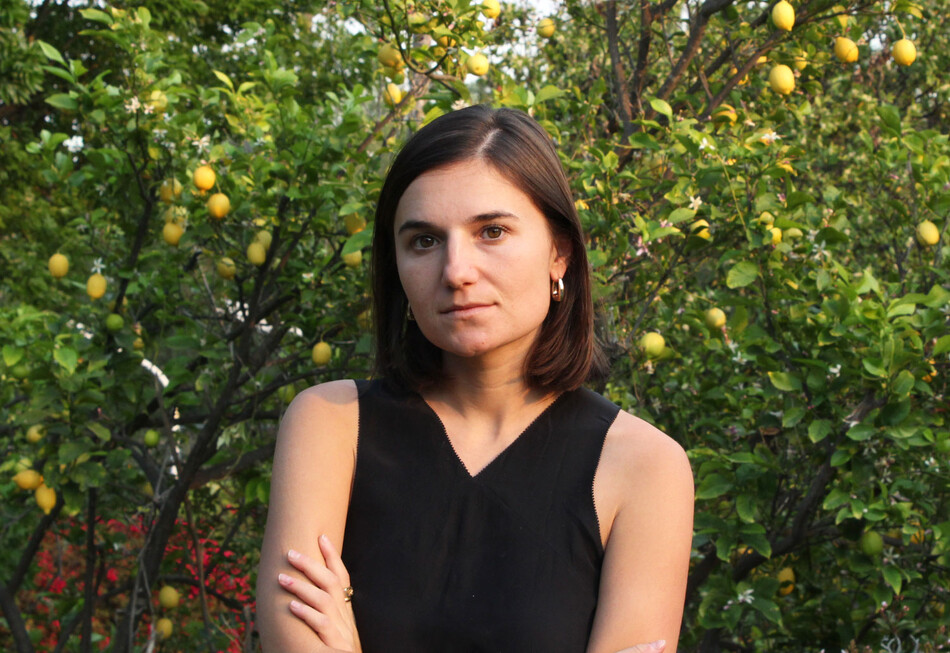
How did you become a film critic?
I was a film studies major as a Columbia undergrad. I knew that I didn’t want to make movies, but I wanted to be involved in the industry in some capacity. During my senior year, I took an elective called Writing Film Criticism, with critic and adjunct professor Caryn James, and it dawned on me that this could be a real career path.
What goes into reviewing a film?
It depends on the movie — one day I’ll be assigned a streaming documentary, another day an animated movie for kids. Typically a publicist will set up a press screening at a local theater for journalists, or sometimes even just for me. With some films, I’ll go in blind, but other films call for having more context about a director and their filmography in advance. And if you’re reviewing something like the latest Wuthering Heights adaptation, I think it’s crucial to have an understanding of how that novel has been adapted in the past.
The golden rule of film criticism is that you have to evaluate a work on its own terms. You’re not asking a Netflix rom-com to be Casablanca. You identify what the work is trying to achieve, and you evaluate how well it achieves that goal. Of course, critics break this rule all the time: If a work is clearly setting out to be, say, sexist or abrasive and it’s successful at that, you don’t have to give it a positive review.
A film review should ideally stand on its own as a work of writing — I enjoy reading reviews by my favorite critics even if I haven’t seen the movie in question. Some people see criticism as a grumpy job occupied by people who sit around wagging their fingers and commenting on others’ art without trying to make something themselves, but I prefer to think of criticism as an act of creation rather than reaction.
Is it harder to write a good review or a bad review?
If I feel strongly about a movie, whether in a positive way or in a negative way, it’s easier to write about it. The hardest reviews to write are the middling ones, when I don’t have a strong opinion one way or another.
Can you name any movies that you consider close to perfect?
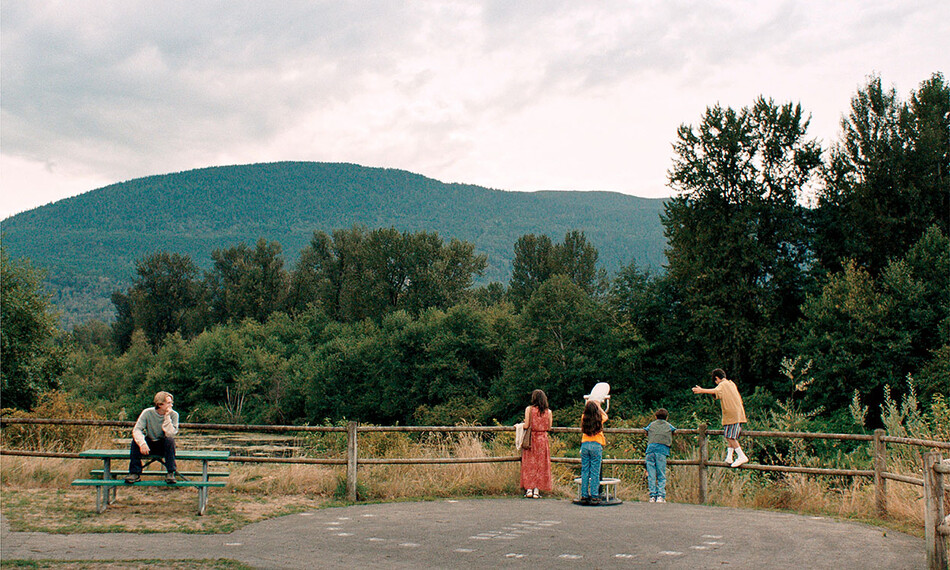
For me, a “perfect” film feels exciting and fresh and will stand the test of time. One of my favorites of the year so far is Sophy Romvari’s Blue Heron, a semi-autobiographical film that looks back on painful memories from the director’s childhood. It’s a smaller production and Romvari’s first feature. There’s also a German comedy from 2016 called Toni Erdmann that’s one of my go-to favorites.
You’re also a podcast writer. Tell us about that work.
I was a producer and writer for HBO’s The White Lotus companion podcast for the show’s third season, and more recently, I’ve been working with Turner Classic Movies as a writer on The Plot Thickens, hosted by Ben Mankiewicz ’92JRN. My second season with that podcast focused on the making of the 1963 epic Cleopatra, which was directed by Ben’s great-uncle Joseph Mankiewicz ’28CC. There was a mountain of archival tapes and interviews that I had to sift through to find quotes and clips, but it was one of my favorite projects.
Many media outlets have cut back on arts criticism in recent years. Why is it important to keep this type of film coverage alive?
For one thing, there’s utility in criticism — it helps audiences find the gems. In a world where we’re inundated with streaming options, there’s less and less curation. Analysis and criticism help us feel more informed and discerning, whether in art, culture, or politics. We’re all smarter if we operate with a critical mindset.
There’s the phrase “everybody’s a critic,” which I think is largely true and a good thing. The app Letterboxd lets you write your own reviews and share what you’re watching. Its popularity shows that people have an appetite to be critics themselves, even informally. You can consume movies for entertainment or as a diversion from “real life,” and that’s fine, but it’s exciting that so many people care deeply about film and want to discuss it in a critical way.